
 Česky (CZK)
 Deutsch (EUR)
 Polski (EUR)
 Français (EUR)
 Español (EUR)
 Italiano (EUR)
 Română (EUR)
 Ελληνικά (EUR)
 Dutch (EUR)
 Eesti keel (EUR)
 Português (EUR)
 Magyar (EUR)
 Svenska (EUR)
 Dansk (EUR)
 Suomen kieli (EUR)
 български език (EUR)
 Slovenščina (EUR)
 Slovensky (EUR)
 lietuvių kalba (EUR)
 latviešu valoda (EUR)
 Norsk (EUR)
 Hrvatski (EUR)
 українська мова (EUR)
 Tiếng Việt (CZK)
 Türkçe (EUR)
 Malti (EUR)
 日本語 (にほんご) (EUR)
 Bahasa Indonesia (EUR)
 српски језик (EUR)
 ქართული (EUR)
 Íslenska (EUR)
The cannabinoid CBG9 is conquering the market! How is it different from HHC and what CBG9 products to include in the range?
- What is CBG9 and how is it made? It all starts with CBG
- What is the specific characteristic of CBG9?
- What are the effects of CBG9? Based on the effects of CBG
- What are the potential side effects of CBG9?
- Comparison of CBG9 vs. HHC
- What CBG9 products are customers most interested in?
- Is CBG9 legal?
- Conclusion: Offer your customers quality!
What is CBG9 and how is it made? It all starts with CBG
The story of CBG9 starts with cannabigerol (CBG), which is one of the many cannabinoid compounds found in the cannabis plant. Nicknamed the 'mother of all cannabinoids', it is the first cannabinoid that the cannabis plant produces at the germination stage.
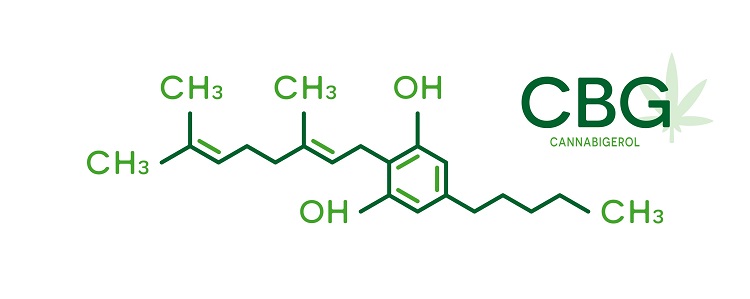
Without cannabigerol, neither THC nor CBD would exist. All natural cannabinoids have their origins in cannabigerol acid, or CBGa. It gradually breaks down into THCa, CBDa and CBCa. These acidic forms of cannabinoids are then converted under the influence of heat or ultraviolet light into THC, CBD, CBC and other compounds.
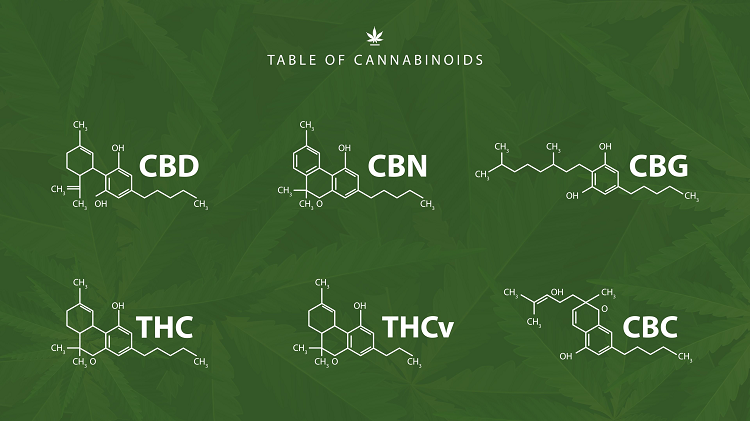
CBG9 (CBG-9) is a variant of CBG. The full name is cannabigerol-9, with the '9' denoting a specific variant that differs from the original compound (CBG) in chemical structure and/or properties.
IUPAC (International Union of Pure and Applied Chemistry) states that the formal name of CBG9 is 2-[(2E)-3,7-dimethylocta-2,6-dienyl]-5-pentyl-benzene-1,3-diol.
There is currently disagreement about the formation of CBG9. On the one hand, the view is that CBG9 is a phytocannabinoid that is naturally found in the cannabis plant and can be directly extracted from the plant.
The other side takes the view that it is a compound that scientists must synthesise in the laboratory from other, more readily available precursors, which is usually cannabidiol (CBD).

If we look at other minor cannabinoids, such as HHC, THCB or THCJD, which are present in the cannabis plant but only in minute quantities and are therefore mainly produced semi-synthetically, the situation is likely to be the same for CBG9. For this reason, CBG9 is referred to as a semi-synthetic cannabinoid.
What is the specific characteristic of CBG9?
Unlike other cannabinoids, CBG9 does not crystallize, sharing this property with CB9 (a CBD derivative). This means that it will be less prone to degrade (deteriorate) and have a longer shelf life.
Moreover, it is easier to process due to its liquid form and may even have a higher bioavailability.

What are the effects of CBG9? Based on the effects of CBG
In order to learn about the effects of CBG9, we must first delve into what we know about how CBG works.
CBG interacts with the endocannabinoid system (ECS) and partially activates CB1 and CB2 receptors. One study reports that cannabigerol could affect sleep, mood and appetite, and also stimulate receptors responsible for pain and temperature perception, similar to cannabidiol.
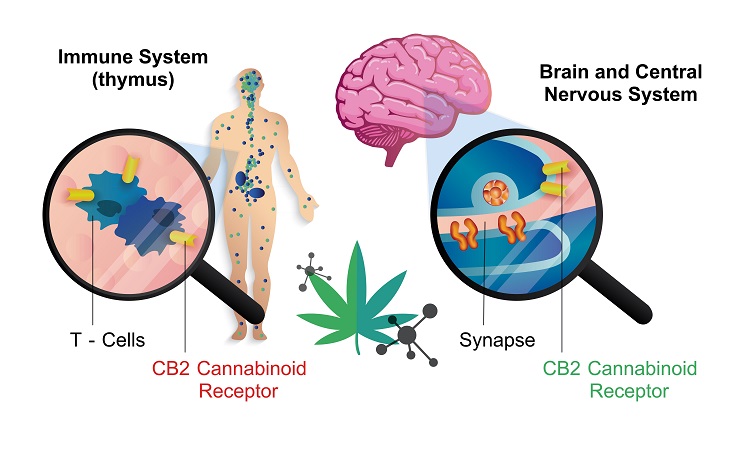
Although the research on CBG is not as extensive as that on CBD, recent findings from studies suggest that it has promising therapeutic benefits.
CBG could have the following characteristics:
- Antifungal
- Neuroprotective
- Antiparasitic
- dermatological (soothing effect for the skin)
- Antibacterial
- reducing bladder contractions (positive effect of CBG on urinary tract problems)
Several studies have supported these properties:
- A study suggested that CBG reduces intraocular pressure glaucoma.
- In a 2018 study, researchers suggested that CBG could be a promising compound that inhibits the growth of cancer cells (colon cancer and glioblastoma).
- The study stated that CBG shows the ability to reduce inflammation.
- The study concluded that acute administration of CBG lowers blood pressure in mice.
Research on rodents found that CBG increased appetite in some mice, eating up to twice as much food as usual.
Potential effects of CBG9 or what user experience suggests
Currently, the interaction of CBG9 with ECS is still under investigation.
CBG9 is likely to have mild psychoactive effects similar to HHC, and may not be psychoactive for some users. Relevant data to support these claims are not yet available.
Some users have already shared their experiences with CBG9 on the Reddit discussion forum. One of them wrote that CBG9 felt like a psychedelic form of CBG to him - energizing, energizing, with a slight "stoned" feeling.
Another user described his experience by saying that after taking CBG9 gummies he did not feel anything at all, while smoking pre-rolls (pre-packaged joints) felt like smoking large amounts of regular cannabis.
Evidence to date suggests that cannabinoid derivatives typically exhibit similar effects to their parent compounds (precursors) but with higher potency.
For example, consider the cannabinoid H4CBD, which acts as a "boosted" variant of CBD. According to this theory, the effects of CBG9 are expected to be similar to those of CBG, but probably of a 'stronger' nature.
The effects of CBG9 are therefore primarily based on the properties of CBG, which include:
- Neuroprotective
- Antibacterial
- Anti-inflammatory
- Analgesic
However, no study to date has confirmed any of the properties currently attributed to CBG9. We can only wait for adequate research to confirm/disprove these properties.
What are the possible side effects of CBG9?
There is also currently no research available on the side effects of CBG9.
There is research on CBG that suggests it is a well-tolerated substance, similar to CBD. However, further studies are needed to confirm this information.

Side effects may occur especially at high doses. Some individuals may experience unpleasant symptoms such as fatigue, dry mouth, nausea and diarrhea.
Comparison CBG9 vs. HHC
Let's also take a look at how the newcomer CBG9 compares to HHC (hexahydrocannabinol).
The following table provides basic information about these compounds, including whether they have psychoactive properties, what potential effects they offer and their legal status.
|
|
HHC |
|
|
Occurrence in cannabis |
Opinions differ as to whether it is found in cannabis or not. |
Yes, only in trace amounts. |
|
Specifications |
Probably a semi-synthetic cannabinoid; a derivative of CBG. Synthetically produced from other, more readily available precursors such as CBD. |
A semi-synthetic cannabinoid; originally a derivative of THC, it is now produced synthetically, e.g. by hydrogenation of CBD. It is formed by the addition of hydrogen molecules. |
|
Psychoactive properties |
It is thought to have mild psychoactive properties similar to HHC, or none at all. There is a lack of data to confirm this information, but according to the experience of Reddit discussion forum users, it seems to act like a psychedelic version of CBG on some people, while on others it has no psychoactive effects at all. |
Yes |
|
Potential effects |
The effects are expected to be similar to those of CBG, but probably stronger. |
|
|
Legal status |
In most countries, the permitted substance |
No longer a banned substance in most countries |
What CBG9 products are most interesting to customers?
CBG9 is very popular with consumers and seems to have taken its place on the market after the already banned HHC.
If you want to please your customers, don't wait and equip your e-shop with CBG9 products. Here you will find premium quality products from favoured brands such as Canntropy, Cannastra and CanaPuff.
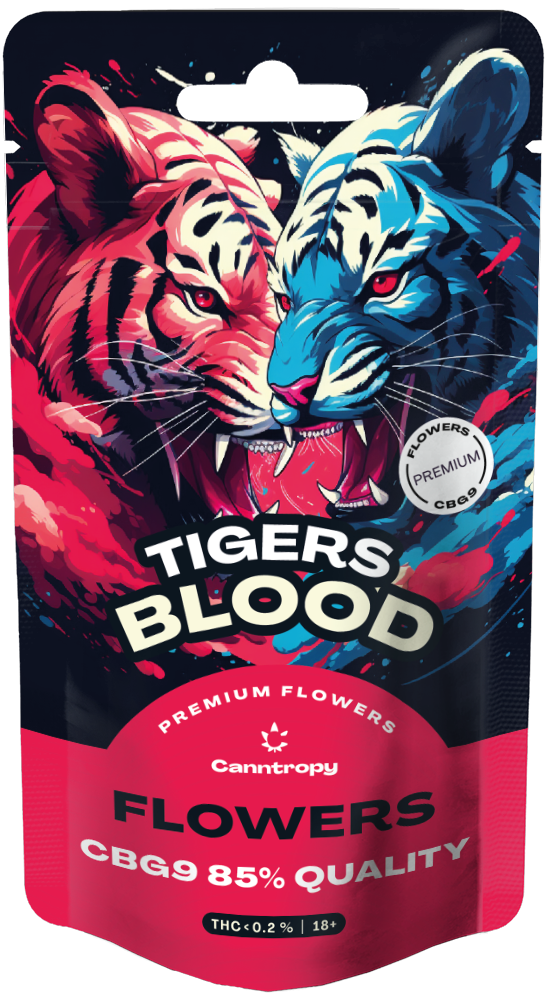
Choose from the following products and order today:
You can expect to see CBG9 oil in our range soon.
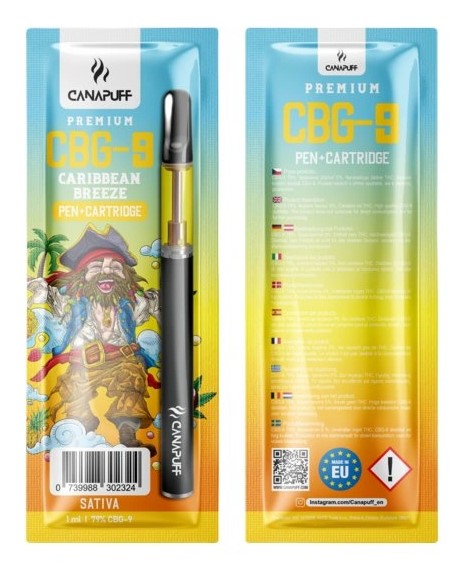
Is CBG9 legal?
Despite the fact that Government Decree No. 52/2024 Coll., which amends Government Decree No. 463/2013 Coll. on the lists of addictive substances and prohibits the sale and use of certain cannabinoids (HHC, HHCO and THCP), came into force in the Czech Republic at the beginning of March 2024, the cannabinoid CBG9 was not included in this list and remained legal.
This list was extended by the Ministry of Health of the Czech Republic in July of the same year to include other substances (HHCP, THCB, THCJD, THCH and others), while CBG9 is not included in this list either.

Currently, CBG9 is a legal substance in most parts of Europe, and already faces bans in Germany and Norway, for example. In some places it may eventually be in a legal grey area.
In view of the complex legislation and the unclear legal status of new cannabinoids, we recommend that you monitor legislative developments and always respect the current regulations of the country concerned.
Conclusion: offer your customers quality!
Currently, hemp products are not regulated in any way and therefore risk being contaminated with undesirable and potentially harmful substances.
Experts have already pointed out that unknown substances such as unnatural isomers, residual solvents and other unrecognised compounds have been found in some products that are (semi-)synthetically produced, making them potentially dangerous for human consumption.
Only buy from reliable retailers and be sure to check the quality of the products they offer. Some manufacturers automatically provide a "COA" (Certificate of Analysis) or have products tested by an independent laboratory. 📋 ✔️
Finally, we attach other articles that may be of interest to you:
- 10-OH-HHC: An interesting alternative for your customers
- 10-OH-HHCP: Do you already have a summer novelty in your range?
- Why does THCV attract customers?
- CBD cosmetics: why is it so popular and what is its potential?
- How do the different types of cannabis seeds differ from each other? Differences in indoor and outdoor cultivation
Author: Patricie Mikolášová
Photo: ChatGPT, Shutterstock
"All information provided on this website, as well as the information provided through this website, is for educational purposes only. None of the information contained herein is intended as a substitute for medical diagnosis and such information is not to be considered medical advice or recommended treatment. This website does not promote, endorse or advocate the legal or illegal use of narcotic drugs or psychotropic substances or the commission of any other illegal activity. Please see our Disclaimer for further information."
Recommended products4
Cannastra CBG9 Flower Fruity Big Bang, CBG9 85% quality, 1g - 100g
CanaPuff CBG9 Pen + Cartridge Blueberry Cookie, CBG9 79 %, 1 ml

CanaPuff CBG9 Gummies Sour Cherry, 5 pcs x 25 mg CBG9, 125 mg