
 Česky (CZK)
 Deutsch (EUR)
 Polski (EUR)
 Français (EUR)
 Español (EUR)
 Italiano (EUR)
 Română (EUR)
 Ελληνικά (EUR)
 Dutch (EUR)
 Eesti keel (EUR)
 Português (EUR)
 Magyar (EUR)
 Svenska (EUR)
 Dansk (EUR)
 Suomen kieli (EUR)
 български език (EUR)
 Slovenščina (EUR)
 Slovensky (EUR)
 lietuvių kalba (EUR)
 latviešu valoda (EUR)
 Norsk (EUR)
 Hrvatski (EUR)
 українська мова (EUR)
 Tiếng Việt (CZK)
 Türkçe (EUR)
 Malti (EUR)
 日本語 (にほんご) (EUR)
 Bahasa Indonesia (EUR)
 српски језик (EUR)
 ქართული (EUR)
 Íslenska (EUR)
Kava Kava: the key to anxiety and stress relief and better sleep
- What is Kava Kava?
- What are the effects of Kava Kava?
- In what form can Kava Kava be purchased?
- Why should you include the product in your offer?
- Conclusion
What is Kava Kava?
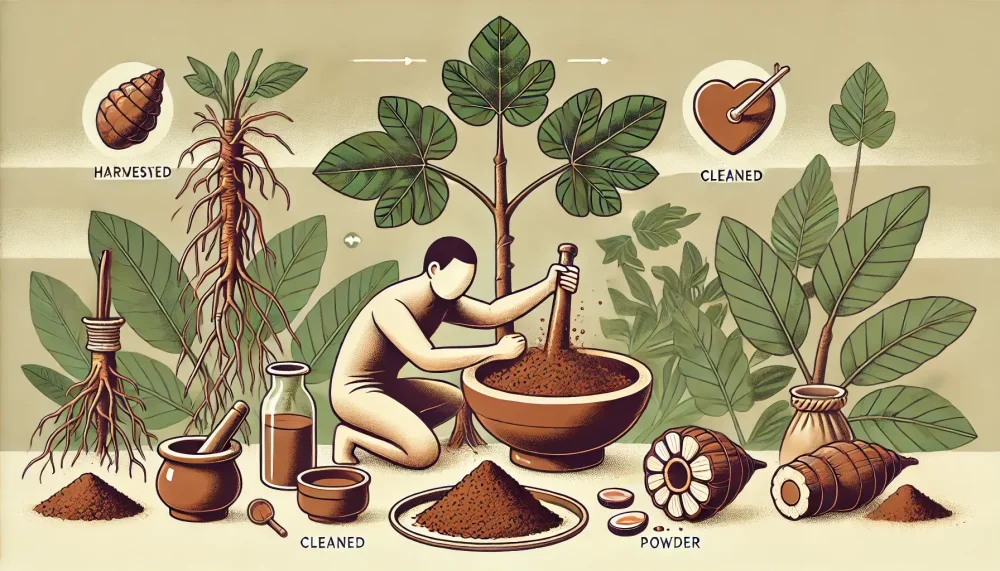
Kava Kava, otherwise known as the pepper tree, is a shrub up to 6 metres tall with green heart-shaped leaves. It is native to the Pacific, where it has a strong tradition of being used in natural medicine and rituals for its powerful relaxing, sedative and euphoric effects. The plant was brought to Europe in the 18th century by seafarer James Cook and identified by father and son Forester.
The root of the plant is used for processing. In the Pacific, the root is traditionally crushed and stirred in coconut milk and then served. For industrial use, the root is dried, ground and sold as a brown powder or in other forms that we will tell you about.
What are the effects of Kava Kava?
The root of the pepper tree contains kavalactones, which make up to a fifth of its weight. Cavalactones are psychoactive compounds that interact in the human body primarily with GABAA receptors, which suppress neuronal activity, and this produces a relaxing and sedative effect.
Cavalactones also affect serotonin and dopamine receptors, thus positively affecting mood and creating a sense of euphoria, and they also act on opioid receptors to dampen pain. Thanks to these properties, Kava Kava improves mood and relaxes the body and mind.
Research to date shows that in about three-quarters of cases, involving different groups of people, Kava Kava has been effective in reducing anxiety and stress at doses up to 300 mg per day. Results began to show after just 1 week of use. The reduction in anxiety and stress then also led to better quality sleep.
Kava Kava should not cause serious addiction.
Does Kava Kava have negative effects?
Side effects occur rather rarely and include:
- Sleepiness
- Nausea
- Dizziness
- vivid dreams
Kava Kava should not be taken long-term, i.e. for more than two months. Long-term use may cause liver damage and dermopathy, manifested by dry and yellowish skin.
The substance should not be consumed by people suffering from Parkinson's disease as it can increase tremors in the hands. It is not recommended for pregnant and lactating women.
Kava Kava should not be taken together with caffeine, alcohol, drugs and medications.
In what form can Kava Kava be purchased?
Kava Kava is most commonly sold as:
- Powder from the dried and ground root.
- Tea: dried and crushed root sold loose or in bags.
- Capsules: Capsules contain dried and ground kava root in a standardized form to ensure consistent kavalactone content.
- Tincture: a liquid extract of kava root, which is made by soaking the root in alcohol or glycerin.
Kava Kava extract is also added to other products such as liquids for vapes.
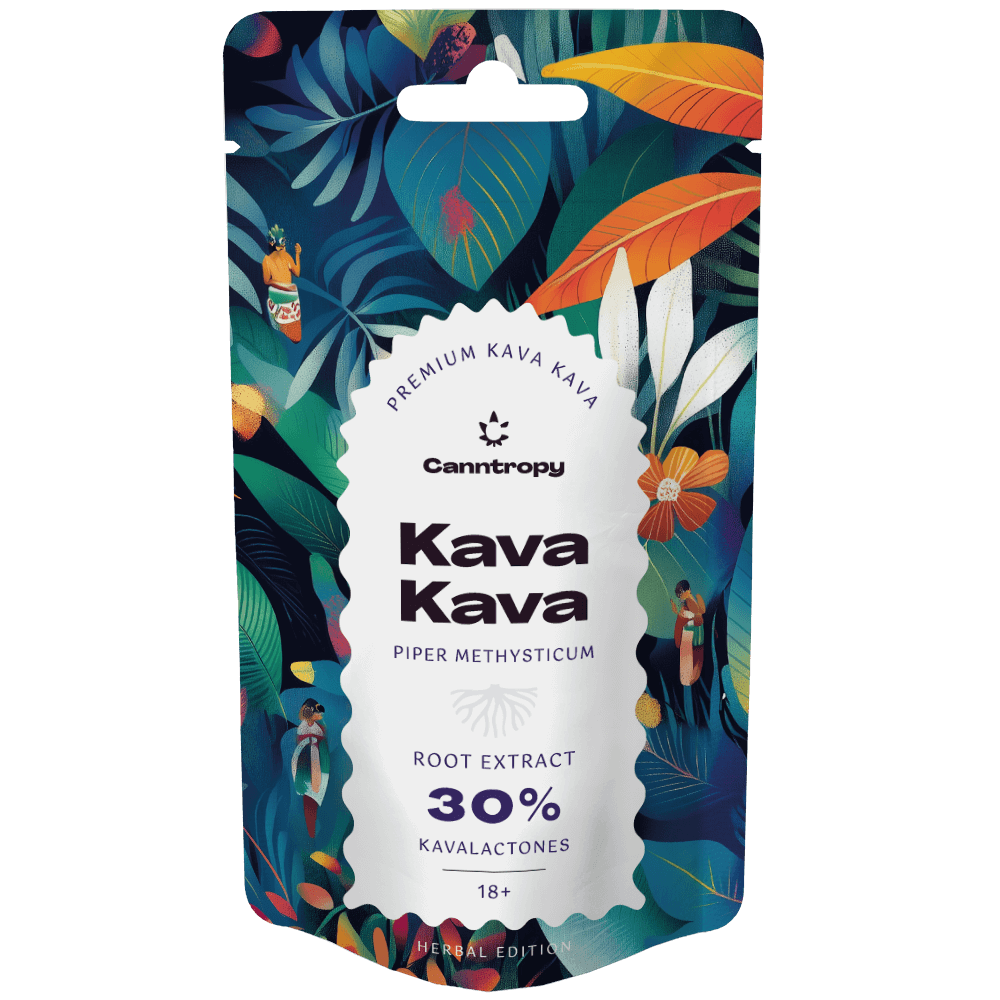
Although Kava Kava is not a banned substance in most countries, often not even regulated, it is not an approved dietary supplement or food under EU legislation. It is a collector's item and is therefore not sold for consumption, smoking or vaping.
Why should you include the product in your offer?
Are you looking for a product that will attract new customers and differentiate you from your competitors? Kava Kava Extract offers a unique opportunity to expand your product range with something truly original. Customers increasingly prefer products that not only have functional value, but also a story and authentic origin.
Kava kava can be an interesting product for customers who are interested in alternative lifestyles and want to expand their collection with unusual artifacts. Kava Kava is interesting because of its exotic origins linked to traditional rituals in the far Pacific. It is an object of indigenous culture that can be an exceptional addition to any collector's collection.
Conclusion
Kava Kava is the root of the pepper tree and is native to the Pacific. It has significant relaxing, sedative and euphoric effects, and is reported to be able to improve mood, relax the body and mind, relieve anxiety and stress, or improve sleep. However, long-term use is not recommended due to the risk of liver damage and dermopathy.
Kava kava is sold as a collector's item in the form of powder, tea, capsules, tincture or as part of other products, such as liquids for vapes. By including Kava Kava in your product range, you offer your customers not only an ordinary product, but also a piece of exoticism, tradition and a natural way to peace and tranquility.
Author: Natálie Kubíčková
Photo: AI, Shutterstock
"All information provided on this website, as well as the information provided through this website, is for educational purposes only. None of the information contained herein is intended as a substitute for medical diagnosis and such information is not to be considered medical advice or recommended treatment. This website does not promote, endorse or advocate the legal or illegal use of narcotic drugs or psychotropic substances or the commission of any other illegal activity. Please see our Disclaimer for further information."
Recommended products2
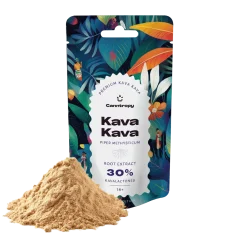
Canntropy Kava Kava (Piper methysticum) Root Extract 30% Kavalactones, 5g - 100g