

 Česky (CZK)
 Deutsch (EUR)
 Polski (EUR)
 Français (EUR)
 Español (EUR)
 Italiano (EUR)
 Română (EUR)
 Ελληνικά (EUR)
 Dutch (EUR)
 Eesti keel (EUR)
 Português (EUR)
 Magyar (EUR)
 Svenska (EUR)
 Dansk (EUR)
 Suomen kieli (EUR)
 български език (EUR)
 Slovenščina (EUR)
 Slovensky (EUR)
 lietuvių kalba (EUR)
 latviešu valoda (EUR)
 Norsk (EUR)
 Hrvatski (EUR)
 українська мова (EUR)
 Tiếng Việt (CZK)
 Türkçe (EUR)
 Malti (EUR)
 日本語 (にほんご) (EUR)
 Bahasa Indonesia (EUR)
 српски језик (EUR)
 ქართული (EUR)
 Íslenska (EUR)
CBC: an overlooked cannabinoid with significant therapeutic potential
- What is CBC and how is it made?
- Effects of CBC: What do the studies say?
- CBC vs. CBD
- CBC product range
- Conclusion
What is CBC and how is it made?
CBC or cannabichromene is a non-psychoactive substance found in cannabis. It was discovered in 1966 and the most significant research into its effects took place in the 1980s. While in the past it was present in the order of tens of percent in some cannabis varieties, now its content in plants is minimal because cannabis is bred for high levels of the popular CBD and THC.
However, if the therapeutic potential of CBC is proven, it would be possible to breed varieties with a higher CBC content.
CBC is formed from CBGA (cannabigerol acid). This is converted to CBCA (cannabichromenic acid) through the enzymatic action of CBCA synthase. CBCA is subsequently decarboxylated. This is the process by which the carboxyl group is removed in the form of carbon dioxide (CO₂). This converts the inactive acidic form of cannabinoids (CBCA), into their active forms (CBC).
Decarboxylation is usually carried out by heating the dried and crushed plant to a certain temperature for a set period of time. This is the same process by which other cannabinoids such as CBD (cannabidiol) are extracted from cannabis.
Effects of CBC: What do the studies say?
Currently, the use of CBC in practice is limited, but its potential therapeutic properties suggest a wide range of future applications.
Studies show that CBC may have antidepressant and analgesic effects similar to those associated with CBD. In particular, when combined with THC, it shows anti-inflammatory effects. CBC could, for example, be used in the treatment of depression and to reduce pain and inflammation.
Research suggests that CBC should promote neurogenesis, i.e. stimulate brain cell growth, and positively influence the viability of NSPCs, neural stem/progenitor cells. These non-specialised cells can transform into specialised astroglial cells through a process known as differentiation. These are crucial for maintaining homeostasis in the brain. The aim of homeostasis is to maintain optimal conditions for the cells despite changes in external conditions (e.g. changes in temperature or pH). These cells also help to regenerate brain tissue.
In addition, these cells, for example, strengthen the defence against oxidative stress. Oxidative stress occurs when free radicals in the body damage cells because they are not effectively neutralized by antioxidants. Damage to nerve cells leads to loss of cognitive function and motor skills in those affected. The consequence is the development of neurodegenerative diseases such as Alzheimer's or Parkinson's disease. Due to its effects in the human body, CBC could be important in preventing the development of these diseases.
CBC also exhibits strong antibacterial and antifungal properties. These properties could be applied not only in skin care cosmetics but also in the production of household cleaning products.
Other studies show that CBC improves bowel motility without adverse effects. This could be significant for the treatment of a range of bowel diseases, as current drugs for bowel dysmotility often cause constipation.
CBC is considered a safe substance, side effects occur rarely. These include fatigue and dry mouth. If you are taking medication or have health problems, it is advisable to consult a doctor about taking CBC.
Due to its properties and potential benefits, CBC is the subject of research and its use in medicine may open up new possibilities for the treatment of various diseases in the future.
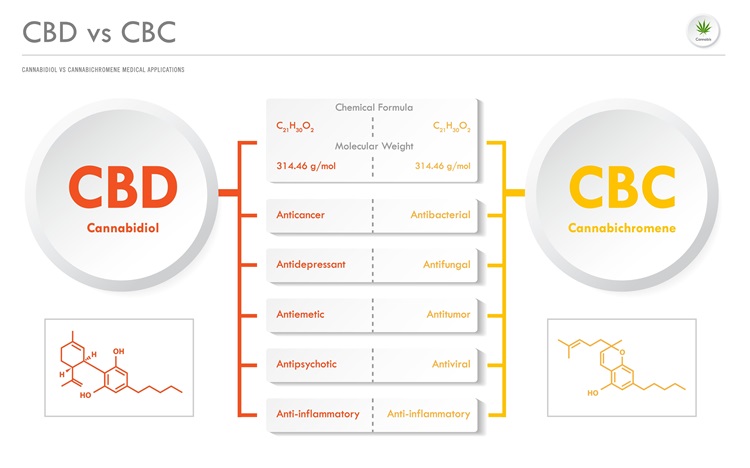
CBC vs. CBD
Although CBC and CBD are made from the same original compound CBGA (cannabigerol acid) and are extracted in a similar way, they have different effects on the body. Cannabinoids differ in the number and arrangement of carbon atoms and functional groups.
How CBC works in the body is the subject of scientific research. Studies to date show that CBC, unlike CBD and THC, does not have a comprehensive effect on the entire endocannabinoid system, but interacts exclusively with TRPA1 receptors, which influence pain perception, and to a limited extent with CB2 receptors.
|
CBC |
CBD |
|
|
The original compound |
CBGA |
CBGA |
|
Action in the body |
subject of research, interaction with TRPA1 and to a limited extent with CB2 receptors |
complex effects throughout the endocannabinoid system, although it responds indirectly to CB1 and CB2 receptors |
|
Possible antidepressant effects |
Yes |
Yes |
|
Acting against pain |
Yes |
Yes |
|
Anti-inflammatory effects |
potential, especially in combination with THC |
Yes |
|
Neurogenesis |
Yes |
Yes |
|
Antibacterial and antifungal effects |
Yes |
insignificant |
|
Effect on proper bowel function |
Yes |
No |
|
Reactions with THC |
CBC product range
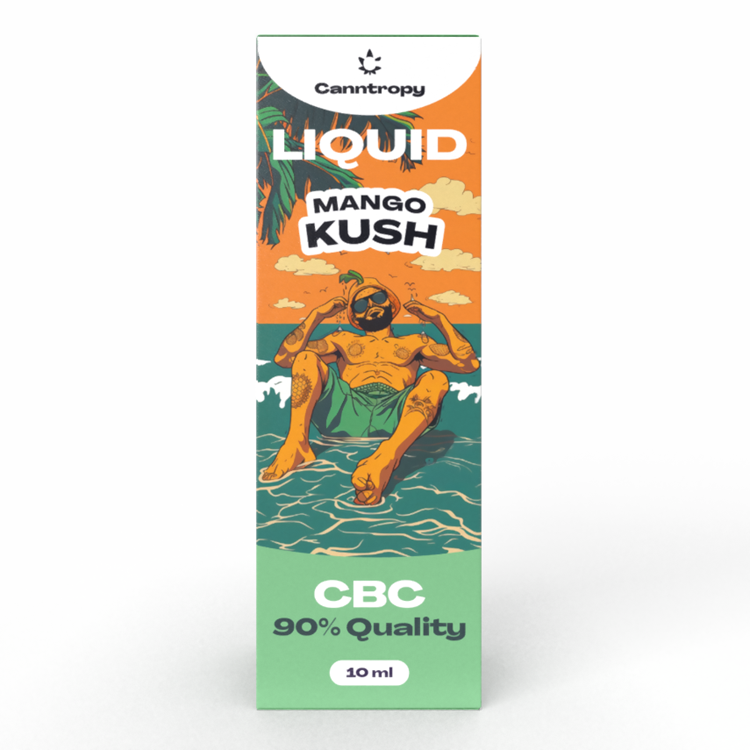
The CBC product range is slowly expanding. You can offer customers CBC isolate, oils, vapes, capsules and gummies. CBC isolate is the purest form of CBC and can be added to other products. CBC oil and CBC capsules are a safe and convenient way to take advantage of the effects of cannabichromene. Vapes are especially popular because of the rapid onset of effects.
CBC is now often combined with other cannabinoids such as CBG. However, if the efficacy and safety of CBC are confirmed, other products containing only CBC may emerge.
Conclusion
CBC, or cannabichromene, is a promising non-psychoactive cannabinoid with a wide range of potential therapeutic uses. Although it has not yet been as intensively studied as CBD or THC, research results to date show that CBC, like CBD, has significant antidepressant and analgesic effects and promotes neurogenesis. Of particular interest are its antibacterial and antifungal properties and its ability to contribute to proper bowel function. You can also find products with CBC in our e-shop, giving you the opportunity to be among the first to add them to your offer.
Author: Natálie Kubíčková
Photo: Shutterstock
"All information provided on this website, as well as the information provided through this website, is for educational purposes only. None of the information contained herein is intended as a substitute for medical diagnosis and such information is not to be considered medical advice or recommended treatment. This website does not promote, endorse or advocate the legal or illegal use of narcotic drugs or psychotropic substances or the commission of any other illegal activity. Please see our Disclaimer for further information."
Recommended products4
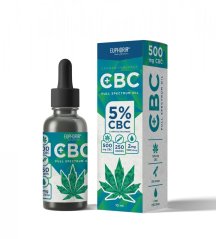
Euphoria CBC oil 5%, 10ml, 500mg
CBC Isolate, 1 g - 100 000 g

Body Protection - Cartridge, CBC , CBG, basil, cinnamon, chamomile, 1 ml